Wax play (BDSM) candles

Wax play candles in a box - Dalex Studio

Handmade in Kuopio, Finland, these wax play candles are crafted with safety and full transparency in mind. Each candle consists of 99.8% pure paraffin with no additives, with the rest being certified candle dye. A skin-safe melting point of 54–56 °C ensures a comfortable experience. I disclose every ingredient openly, so you can focus on the sensation with peace of mind.

Note: Wax play involves a risk of burns and is always done at your own risk.


Buy candles

Candles can be bought in the MobilePay store. Use the code below, or scan the QR code.

MobilePay code: 35931 MobilePay code: 35931
MobilePay QR code for Dalex Studio products
Video: Dalex

Quick guide

1 Holding the candle almost horizontally and rotating it evenly

Hold the candle almost horizontally so the melted wax can drip immediately. Rotate the candle slowly so the flame melts its surface evenly.

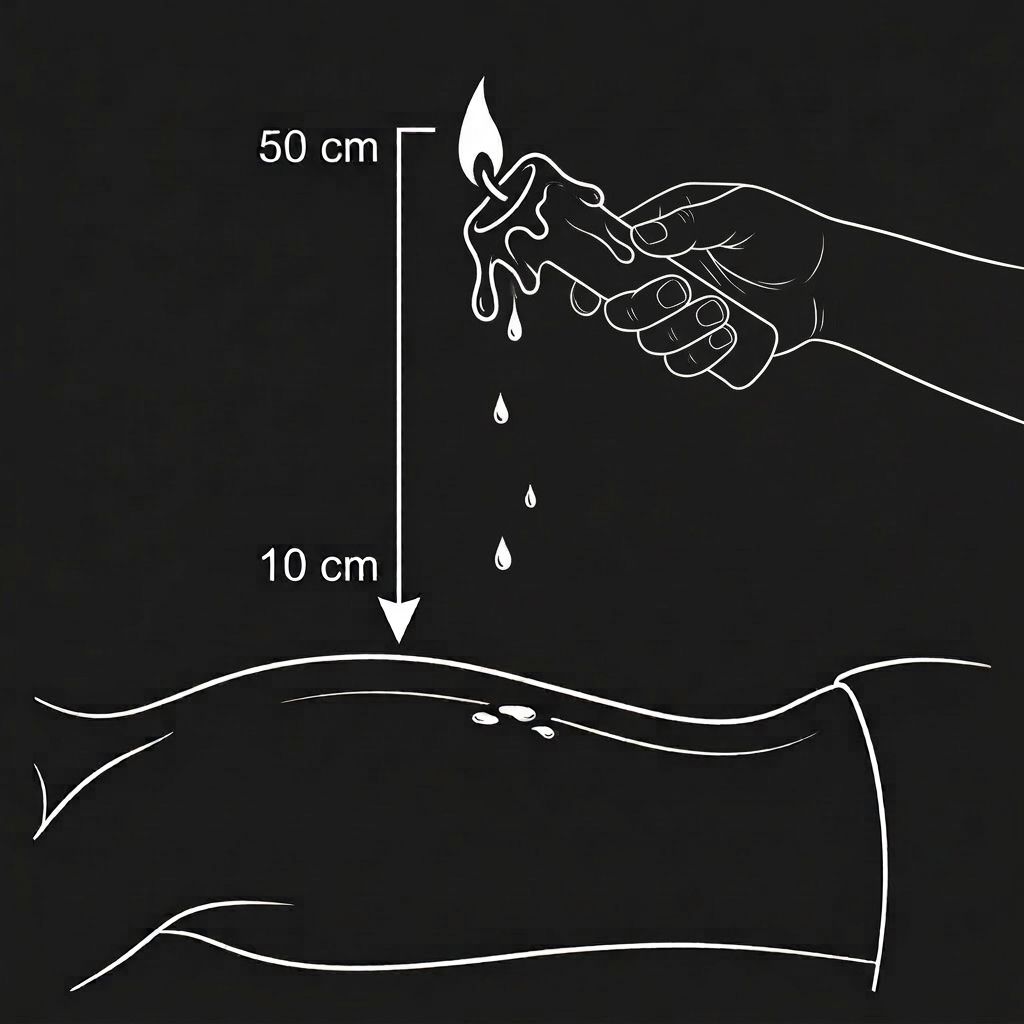
2 Test drip dropped onto the skin from 50 cm and 10 cm heights

Always do a test drip on a new body part, candle, or color. Start higher up, for example half a meter, and lower it slowly until the sting of the drip reaches your pain threshold. Different body parts react differently to hot wax, and candle color can affect wax temperature.

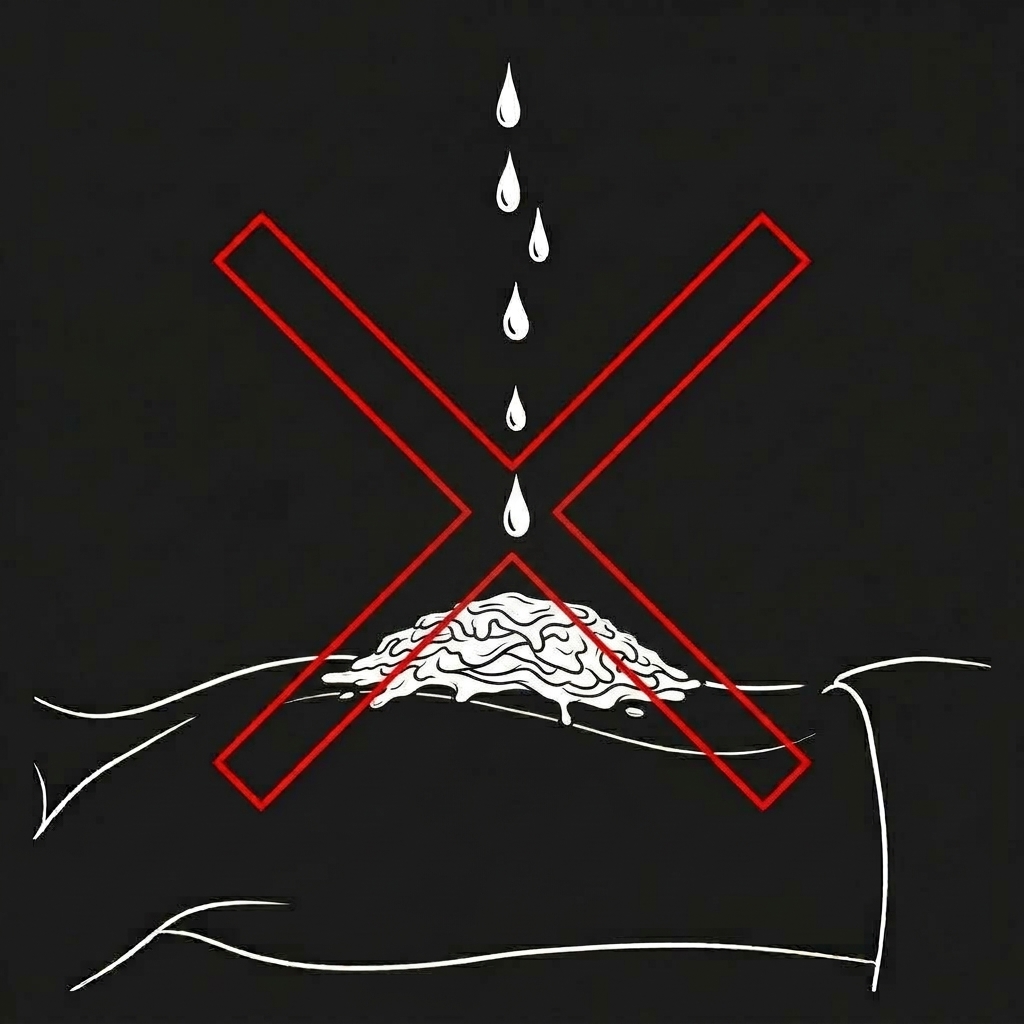
3 Red cross over piled wax warning against heat buildup

Avoid piling molten wax splashes on top of each other immediately. Wait for the previous splash to cool and harden before adding a new one. This prevents temperature buildup that can cause skin burns.

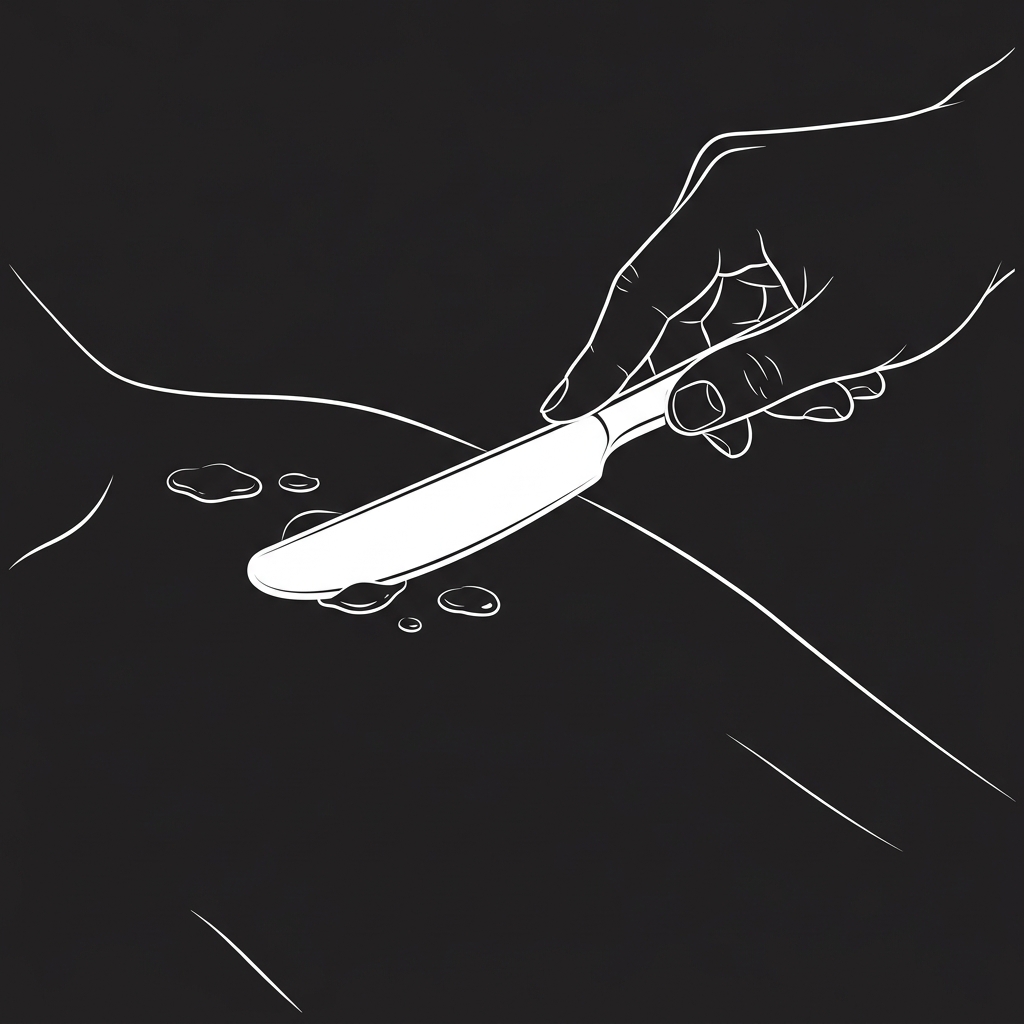
4 Removing cooled wax with a blunt knife

Cooled wax can be carefully removed with a blunt object, such as a butter knife. Massage oil applied before play can make removal easier and protect the skin.

Used wax: Dispose of used wax in mixed waste. Alternatively, it can be burned in a fireplace. It can also be reused to make ordinary candles – but not for wax play again, as the wax picks up impurities during use.

Skin care and first aid if needed
  • Bepanthen emulsion cream (light, water-based): the best choice right after a session for slightly reddened, hot skin. It absorbs quickly, cools gently and lets the skin breathe.
  • Regular Bepanthen ointment (thick, greasy): better suited for later or the following days, if the skin feels dry or flaky. Immediately after heat irritation, a very greasy ointment can trap heat in the skin.
  • Cool first: if the skin feels very hot or the wax has caused a mild burn, rinse the area first with cool or lukewarm water for 10–20 minutes. Apply ointments only once the skin has cooled.
  • Intact skin vs. blisters: Bepanthen suits intact, irritated skin. If a burn blister forms, do not puncture it or cover it with thick grease; keep the area clean and protect it with a sterile dressing if needed.

Product Safety & Materials

Every Dalex Studio candle is made from a single, fully traceable German wax base and certified candle dyes. Here is the complete material disclosure.

Ph. Eur. RAL quality OECD 301 REACH Annex XIII

Base wax – used in all candles

  • HYWAX 5403 by Hywax GmbH, Germany
  • Cosmetic & pharmaceutical grade according to the European Pharmacopoeia (Ph. Eur.)
  • Fully refined pure paraffin, melting point 54–56 °C (129–133 °F)
  • Free of additives such as stearic acid – a low, skin-safe working temperature
  • The same wax base is used in lipsticks and medical ointments
  • Non-hazardous
  • Inherently biodegradable (OECD 301) and non-accumulative in ecosystems (REACH Annex XIII, non-PBT/vPvB)

Candle dyes

  • Manufacturer Kaiser Lacke GmbH, Germany – certified under strict RAL candle quality standards
  • Red & violet: completely non-hazardous, unclassified dyes. No warnings or allergen risks.
  • Black: contains an azo-based pigment (CAS 85-83-6)
Transparency note: black dye
  • Raw material classification: Skin Sens. 1 / H317 – may cause an allergic skin reaction in concentrated form.
  • Concentration in the finished candle: highly diluted, approx. 0.02–0.07 % (200–700 mg per kg of wax).
  • Disclosed openly for highly sensitive users or those with known dye allergies.