


Shibari

Rope art made with respect for the body, an understanding of cause and effect, and safety always first.

Photo: Tiina Kuha

Shibari, the Dalex way

Dalex approaches shibari as a practice of trust. Every tie is built on respect for the body, a clear understanding of cause and effect, and safety that is never negotiable. Rope is never forced – the body sets the pace, communication stays open throughout, and every session ends with care. Whether it is therapeutic bondage, photography or private lessons, the same principles apply: consent, awareness and attention.

Respect for the body Cause & effect Safety
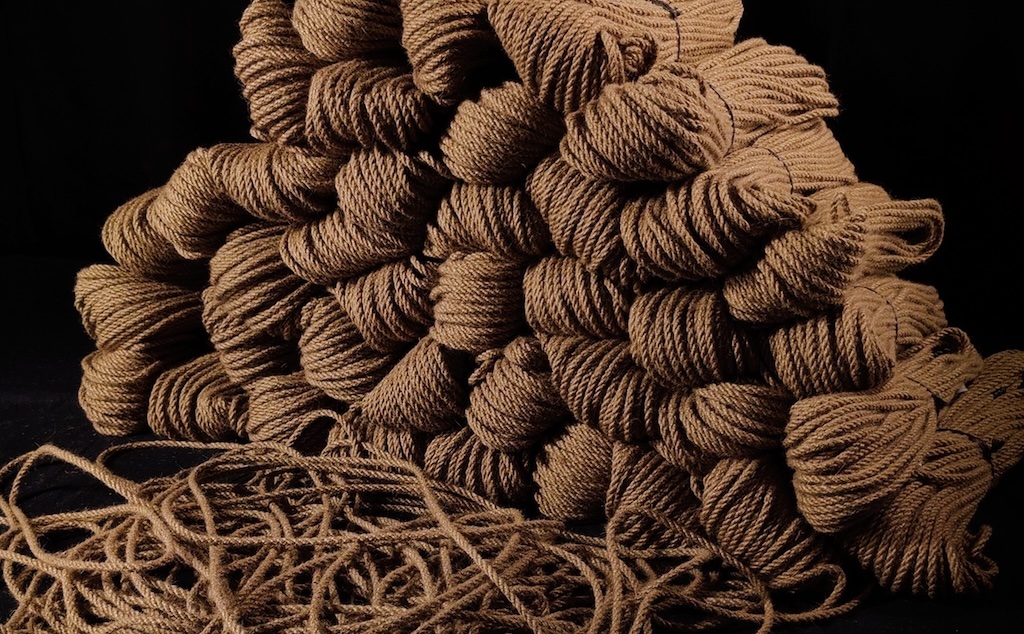
A pile of natural jute shibari rope – Dalex Studio

Rope sales

Handmade raw rope for shibari: 7 mm jute rope from a Polish family rope maker – the same rope Dalex uses in practice. Contact me to order, or use the MobilePay code below.

Video: Dalex

Rope preparation guide

How I prepare jute rope before it is used.

  1. Abrasion & Raising the Fibers

    Thread the rope through a metal ring or carabiner and twist the two strands around each other a few times. Pull the rope back and forth under tension. This raises the jute fibers and removes loose fuzz.

  2. Singeing the Fuzz

    Singe off the raised fibers using a pressurized gas flame (such as a camping stove or butane torch). A pressurized flame leaves less soot on the rope than a passive candle flame.

  3. Oiling and Waxing (Conditioning)

    Wipe the rope quickly with a damp cloth to remove any residual ash or dust.

    Rub oil into the rope (e.g., baby oil) followed by a top coat of wax (e.g., beeswax). Alternatively: Use pure jojoba oil alone, as it acts as a liquid wax and is sufficient on its own.

  4. Drying & Curing

    Hang the ropes to air dry. You can use a heat gun to speed up drying and help the oil and wax melt deeply into the fibers.

  5. Finishing the Ends

    Cut the rope to the desired lengths and finish the ends using either end knots or whipping.